Roundtable discussion on International Cooperation for the Protection of Underwater Archaeological Heritage:
State of the Art and Prospects 30 Years After the First CUEBC Conference
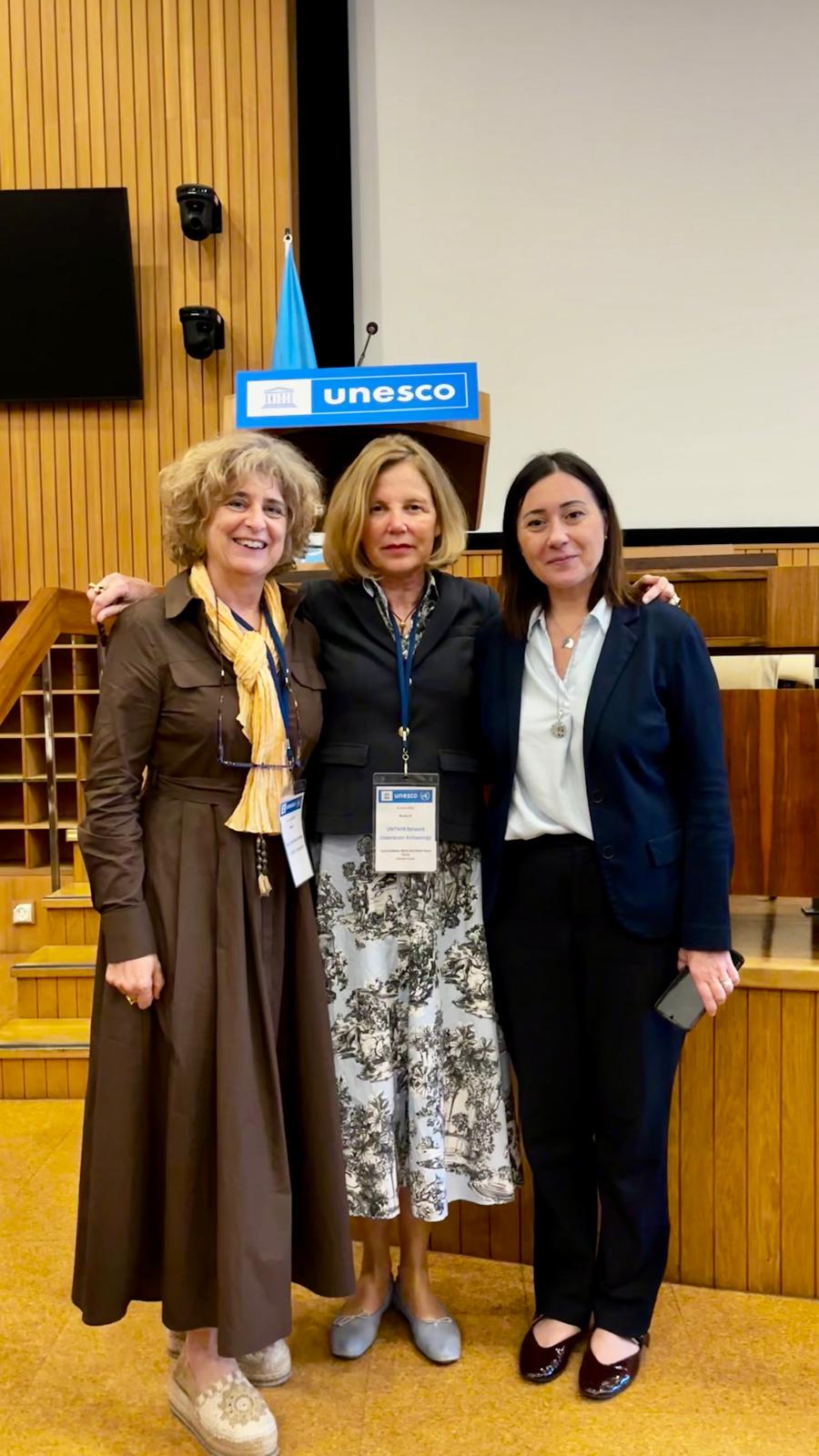
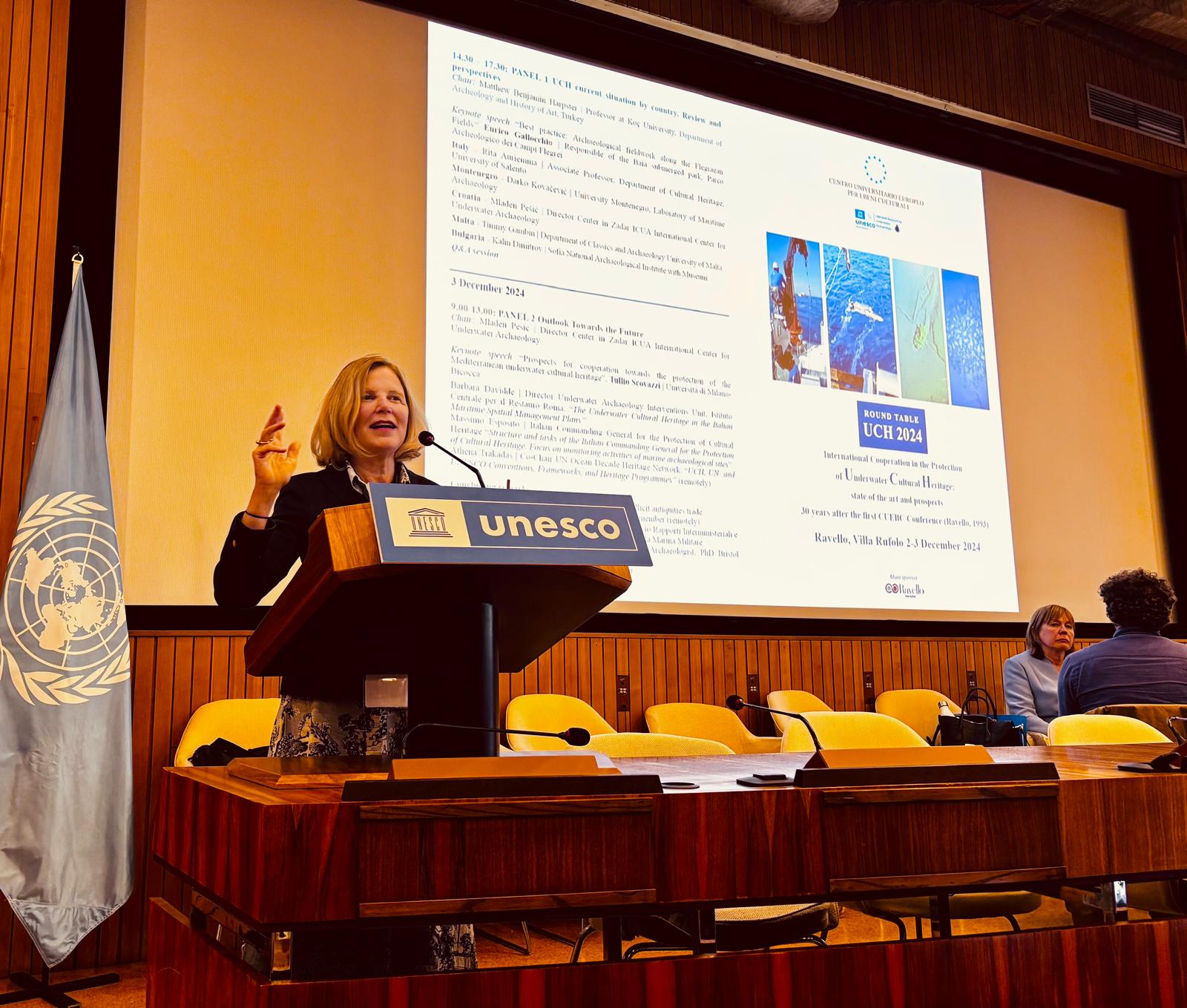
As some of you may recall, having attended it in December 2024, the CUEBC organised a roundtable in Ravello entitled “International Cooperation in the Protection of Underwater Archaeological Heritage: State of the Art and Perspectives 30 Years after the First CUEBC Conference (Ravello, 1993)”.
It may be worth recalling that the CUEBC hosted one of the earliest initiatives dedicated to the protection of underwater cultural heritage (UCH) in 1993, only one year after the opening for signature of the Valletta Convention. The conference brought together experts to examine the Convention’s provisions, stress the urgency of their implementation, and strengthen its role as a framework for the preservation and responsible management of underwater cultural heritage throughout Europe.
On that occasion, a final document was also produced in both Italian and French, known as the Risoluzione Finale di Ravello (1993). It marked one of the earliest significant steps towards a more developed awareness of the protection and safeguarding of underwater cultural heritage.
Thirty years later, the CUEBC has continued to play a significant role in fostering international dialogue on underwater cultural heritage.
The Ravello Round Table 2024 was successfully held as both a commemorative and forward-looking event, marking three decades of international cooperation and exchange in the field of UCH and reaffirming the Centre’s commitment to promoting dialogue in the field,
Building on the legacy of the 1993 CUEBC Conference at Villa Rufolo (27–30 May 1993), the Round Table meeting 2024 assessed the evolution of the field and highlighted the continued relevance of the 2001 UCH Convention and its Annex as the cornerstone of global legal protection.
In this process, it is also important to acknowledge the significant contribution of David Blackman, who played an active role in the discussions within the Parliamentary Assembly of the Council of Europe in Strasbourg and provided valuable guidance and support as a member of the CUEBC Scientific Committee.
We are particularly grateful that participants from more than ten countries, regardless of whether they have ratified the Convention, engaged in a comparative reflection on how the principles enshrined in the 2001 UCH Convention have shaped national policies, field practices, and regional cooperation efforts.
The 2024 Round Table brought together leading and internationally recognized experts from Italy, Bulgaria, Croatia, France, Great Britain, Greece, Malta, Montenegro, Portugal, the Sicilian Region, and Turkey, representing academic institutions, governmental authorities, research centres, and heritage management bodies.
We are pleased, and we hope that the Ravello Round Table introduces a body of work that seeks not only to honour the legacy of the Ravello Conference, but also to outline a forward-looking framework for safeguarding the Mediterranean shared underwater heritage for the benefit of humankind.
The proceedings of the Round Table are currently being finalized and will be officially presented in Ravello 3-4 December 2026.
This presentation will form part of the commemorations marking the 25th of the 2001 UNESCO Convention on the Protection of the Underwater Cultural Heritage.
The event will be open to all interested participants, both in person and online, with the aim of encouraging the widest possible dissemination of knowledge and fostering dialogue among institutions, researchers, heritage professionals, and civil society.
Looking ahead, the Centre is actively working on new initiatives designed to strengthen international cooperation and enhance the visibility of our shared underwater heritage, as discussed within the Scientific Committee.
Among these, particular attention is being devoted to the development of Underwater Blue Routes – Underwater Cultural Itineraries for a Shared Heritage.
The project seeks to establish a transnational network of underwater and coastal cultural itineraries connecting sites, communities, institutions, and stakeholders across the Mediterranean. Its objective is to safeguard, interpret, and promote underwater cultural heritage as a shared resource, while fostering intercultural dialogue, cultural rights, sustainable development, and responsible heritage management.
By highlighting the common historical and cultural links that unite Mediterranean societies, the initiative aims to strengthen mutual understanding, encourage cooperation across borders, and contribute to peace through the recognition and appreciation of a shared cultural legacy.